
GRC, or Governance, Risk, and Compliance, offers a structured approach for aligning IT with business goals, managing risks effectively, and meeting compliance requirements. It integrates an organization's processes and technology to manage regulatory demands and enterprise risks.
By integrating diverse processes into a cohesive framework, GRC assists businesses in enhancing risk management effectiveness and meeting complex regulatory demands. Solutions within this domain are powerful, helping streamline operations and ensuring accountability in governance frameworks. Known for their usefulness in risk prediction and mitigation strategies, these solutions aid in maintaining compliance across multiple regulatory landscapes.
What key features should be highlighted?GRC solutions find robust application in industries like finance and healthcare, where regulatory compliance and risk management are critical. For example, financial institutions use these solutions to adhere to regulatory requirements like SOX and Basel III while maintaining data security.
GRC provides a framework for organizations seeking to improve business processes and efficiency while managing risks and compliance effectively. The solutions help ensure a cohesive approach to governance, aligning strategic objectives with day-to-day operations.
| Product | Mindshare (%) |
|---|---|
| RSA Archer | 5.9% |
| MetricStream | 3.0% |
| OneTrust GRC | 2.8% |
| Other | 88.3% |
































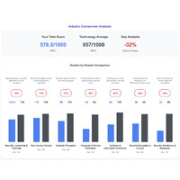











The implementation of GRC software is pivotal for maintaining effective governance, risk management, and compliance processes. Essential features of GRC software include risk assessment tools that identify and evaluate risks across the organization, compliance management features that automate regulatory requirements, audit management tools to streamline audit processes, and reporting capabilities for clear visibility into GRC activities. Dashboards and analytics provide real-time insights, enabling you to make informed decisions and enhance overall business performance.
How can GRC solutions enhance risk management in my organization?GRC solutions improve risk management by providing a structured approach to identifying, assessing, and mitigating risks. These solutions enable you to establish a risk-aware culture, integrate risk management with business processes, and facilitate proactive decision making. With real-time monitoring and reporting, you can quickly respond to emerging risks and ensure alignment with organizational objectives. GRC tools also enhance collaboration across departments, helping you maintain a comprehensive risk management strategy.
Why is automating compliance important with GRC?Automating compliance with GRC solutions is crucial as it reduces the manual efforts associated with monitoring and reporting compliance activities. Automation ensures accuracy and consistency in compliance processes, minimizing the risk of human errors. It allows for continuous compliance monitoring, making it easier for you to stay updated with ever-changing regulations. Automation also frees up valuable resources, enabling your team to focus on strategic initiatives rather than routine compliance tasks.
How do GRC tools support audit management?GRC tools support audit management by streamlining the entire audit process from planning to execution. These tools facilitate the efficient management of audit tasks, enable document sharing and collaboration among audit teams, and provide templates and checklists to ensure consistency. Automated workflows and real-time data sharing reduce the time and resources spent on audits. Advanced analytics in GRC solutions allow for the effective assessment of audit results and actionable insights to enhance organizational practices.
Can GRC solutions improve decision-making processes?GRC solutions enhance decision-making processes by providing a holistic view of governance, risk, and compliance activities. These solutions offer real-time dashboards and analytical tools that present critical data in an easily interpretable format. By integrating GRC processes into everyday business practices, they ensure that decision-makers have access to accurate, up-to-date information. This comprehensive visibility into organizational risks and compliance status empowers you to make well-informed choices that support strategic goals and improve business outcomes.

