Director - Cloud Architecture at a computer software company with 10,001+ employees
171
Published:Nov 1, 2021
Things to be kept in mind for identifying a relevant RPA use case:
Start small and be realistic
Identify process that is:
Highly-repetitive
Highly manual
Too many FTEs required
Information intensive activity
Copying, pasting and validating data between systems, portals, application, pdf/excel files etc.
Rigorous keystrokes and mouse clicks
Hopping between applications
Any mind-numbing office task that kills time and energy
Focus on generating benefits early
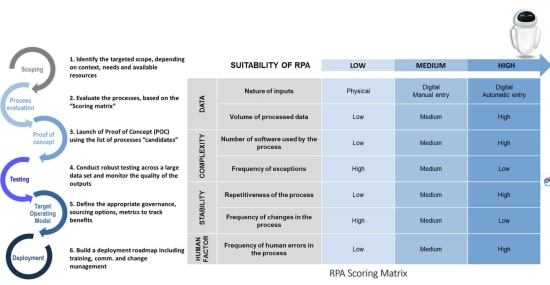
Criteria for selecting an eligible RPA process
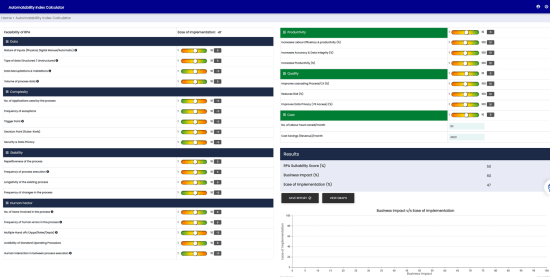
Use Automation Frameworks to Calculate Automatability Index, Complexities & Business Impact
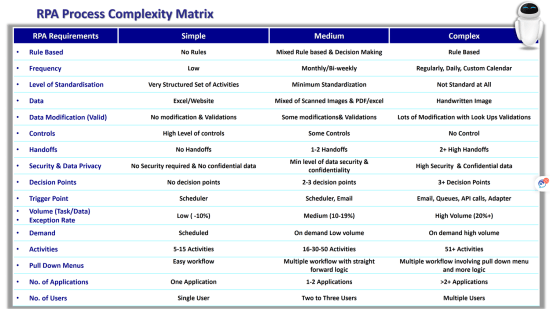
RPA Process Complexity Matrix ( High-Level)
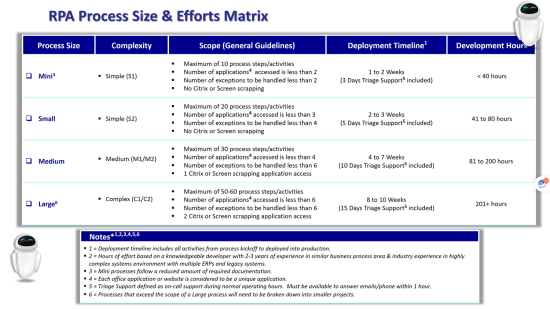
RPA Process Size & Efforts Matrix (* this may vary Org to Org)
I hope this information is useful for all of those who have recently ventured into the RPA space. Please let me know if you have any doubts/suggestions on the topic.
UiPath is an RPA platform that supports custom business KPIs: with UiPath Insights you can configure custom variables taken from robot logs and queues, and use them to calculate your own KPIs and build custom dashboards (so you are not limited to only “out‑of‑the‑box” metrics). UiPath is also a common shortlist choice because it has publicly stated it was recognized as a Leader in the 2025 Gart...
President And Founder at a tech services company with 11-50 employees
Jan 6, 2026
UiPath is an RPA platform that supports custom business KPIs: with UiPath Insights you can configure custom variables taken from robot logs and queues, and use them to calculate your own KPIs and build custom dashboards (so you are not limited to only “out‑of‑the‑box” metrics). UiPath is also a common shortlist choice because it has publicly stated it was recognized as a Leader in the 2025 Gartner Magic Quadrant for RPA (7th year in a row), which gives many teams confidence it will scale for KPI-driven automation programs.
Download our free Robotic Process Automation (RPA) Report and find out what your peers are saying about UiPath, Automation Anywhere, Microsoft, and more! Updated: August 2026.